
The Latest
The Risk Profile of Your Fleet is Changing. Is Your Strategy?
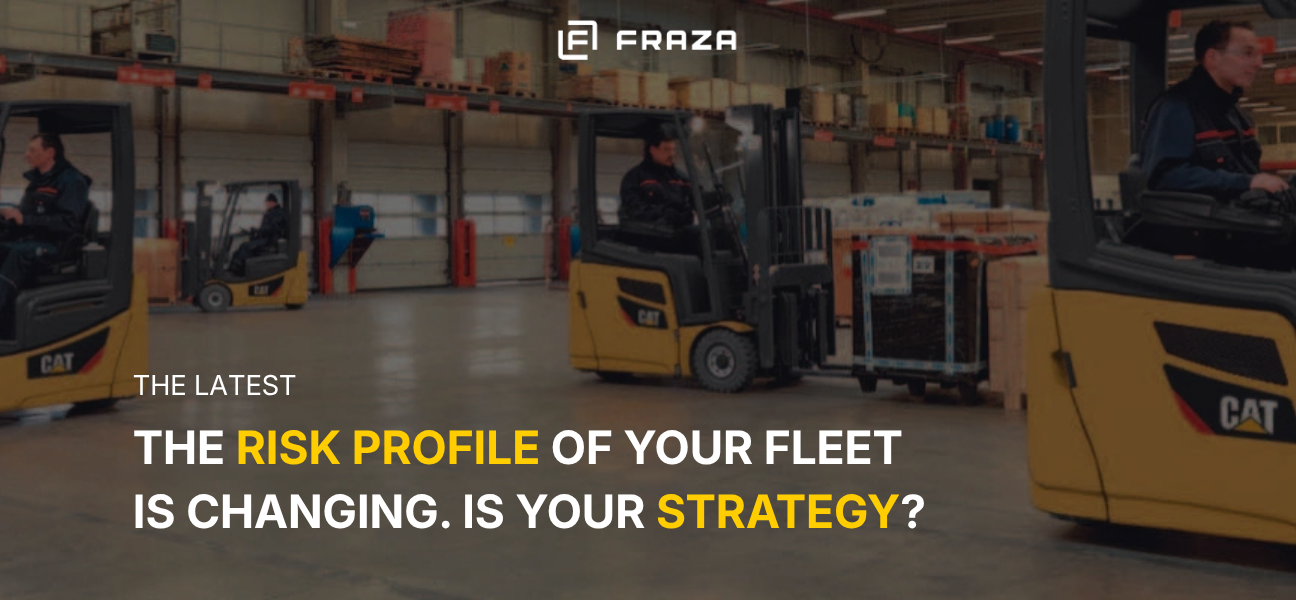
Fleet risk used to be straightforward: keep the equipment maintained, train your operators, and stay OSHA-compliant. But the landscape has shifted. Aging equipment, cybersecurity threats, workforce shortages, and climate hazards have introduced risks that yesterday’s strategy simply wasn’t built to handle.
If your fleet risk strategy hasn’t evolved alongside your operations, you may be more exposed than you think.
What’s Changing in Fleet Risk
The risk profile of fleets is rapidly shifting, so a proactive, data-driven strategy is key.
Aging Equipment & Increased Maintenance Unpredictability
Planned maintenance is a great way to make sure that you’re getting the most out of your equipment. However, there is a point at which the equipment is so old that the cost of service becomes greater than the value of the machinery. As fleet vehicles age beyond their intended service cycles, consider evaluating your fleet to avoid unplanned downtime increases and reduce safety risks.
New Technology Introducing New Risk Factors
Increased reliance on telematics, electric forklifts, and automation introduces a new risk factor: cybersecurity. If attackers target connected vehicles and telematics, there could be a huge disruption in operations and a threat to security.
The Evolving Workforce
As we’ve seen in 2025 and heading into 2026, high turnover and the need to onboard less experienced operators have become the norm rather than the exception. Inexperienced operators make more mistakes, and those mistakes are expensive, both in equipment damage and liability exposure.
Facility Environments & Operational Demands
Severe cold, heat, and other climate-related hazards are forcing fleet operators to rethink route planning, equipment selection, and safety protocols. The risk profile of the same route or facility can look dramatically different season to season.
The Hidden Costs of an Outdated Risk Strategy
Running an outdated strategy is both risky and costly. The most common consequences include:
- Unplanned downtime and lost productivity
- Increased accident rates and liability exposure
- Rising repair and replacement costs
- OSHA compliance risks and potential penalties
Key Questions to Audit Your Current Strategy
Before you can improve your strategy, you need to honestly assess it.
- Does your strategy account for your current fleet mix?
- Are you being reactive or proactive about maintenance?
- How are you tracking operator behavior and incidents?
- When did you last reassess your service agreements?
If any of these questions surfaced gaps, the good news is that the path forward is clear.
How to Update Your Fleet Risk Strategy
Modern fleet risk management is proactive, data-driven, and integrated. Here’s how leading organizations are evolving their approach:
Proactive Maintenance & Predictive Analytics
Teams are using automation for predictive maintenance, optimizing routes, and driver safety. These tools closely monitor equipment failures before they occur, help avoid weather-related delays, and provide real-time driver data.
Implement Active Cyber Security
Because modern-day vehicles are now IT assets, teams are implementing strong encryption, two-factor authentication, and employee training to reduce or avoid hacking risks.
Integrate Data Management
Instead of disconnected data, teams are unifying dashboards that combine telematics, maintenance, and driver training into one view. This helps avoid confusion and streamlines decision-making.
Invest in Operator Training
Given the ongoing workforce challenges, structured operator training and certification programs are now a risk mitigation tool. Building a consistent training cadence helps offset the impact of high turnover and ensures even newer operators are working safely and efficiently.
Right-Size your Fleet
Carrying more equipment than you need is both a cost and a risk issue. Underutilized or aging assets sitting in your fleet increase maintenance liability and inflate your exposure. A regular fleet assessment helps ensure every piece of equipment is earning its place, and that nothing is creating unnecessary risk.
The Bottom Line
Fleet risk isn’t static, and neither should your strategy be. Aging equipment, cybersecurity vulnerabilities, workforce instability, and climate-driven operational demands have fundamentally changed the risk equation for fleet operators. The companies that recognize this shift and respond proactively will be better protected, more efficient, and more resilient. Those that don’t will continue to absorb preventable costs. The question isn’t whether your risk profile has changed. The question is whether your strategy has kept up.
How Fraza Can Help
At Fraza, we don’t just sell and service equipment; we partner with you to build smarter fleet strategies. From comprehensive fleet assessments and proactive maintenance programs to operator training and energy solutions, our team helps you identify risks before they become a problem. If your operations have changed, it’s time to make sure your strategy has too.
Ready to assess where your fleet risk strategy stands? Contact the Fraza team today.